Article overview
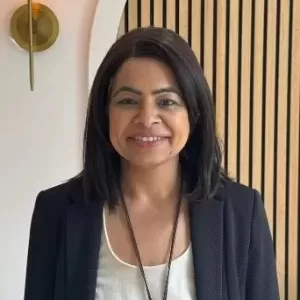
As a Portfolio GP working across both NHS and private sectors, with a special interest in menopause and women's health, I’ve spent years supporting patients through their most vulnerable moments. In December 2024, I found myself on the other side of the consultation room — as a breast cancer patient.
This article outlines my journey through diagnosis, treatment, and recovery, and offers reflections from both personal and professional perspectives.
Clinical Background and Timeline
Initial Detection and Diagnosis
- 3rd December 2024 – I discovered a right-sided breast lump and an enlarged axillary lymph node during a self-examination.
- 5th December 2024 – Attended the Breast Clinic; underwent mammogram, ultrasound, and biopsy.
- 17th December 2024 – While on a family skiing holiday in Austria, I received confirmation of a Grade 2 invasive breast cancer diagnosis.
Pre-Surgical Workup and Decision-Making
- 20th–27th December 2024 – Underwent CT and MRI imaging. Confirmed diagnosis: Grade 2, ER-negative, PR-negative breast cancer with axillary node involvement.
- Opted for total mastectomy and axillary node clearance, with implant-based reconstruction.
Surgical and Oncological Management
- 20th January 2025 – Surgery performed at Frimley Health NHS Trust.
- 28th February 2025 – Finalised decision to proceed with chemotherapy and radiotherapy, without Oncotype DX testing.
Chemotherapy and Lifestyle Adjustments
- 6th March – 8th May 2025 – Underwent four cycles: 3 x Epirubicin and Cyclophosphamide, 1 x Docetaxal
- Managed expected side effects: hair loss, fatigue, and iatrogenic menopause.
- Proactively took steps to maintain personal dignity and emotional well-being, including cutting my hair short, microblading eyebrows, and purchasing a wig.
Second Opinion and Treatment Re-Evaluation
- April–May 2025 – Sought a second opinion at The Royal Marsden.
- MDT recommended discontinuing chemotherapy and omitting radiotherapy.
- Initiated Tamoxifen for 5 years as adjuvant endocrine therapy.
- Confirmed iatrogenic menopause as a result of treatment.
Personal Reflections and Key Learnings
- The Dual Role of Clinician and Patient
Experiencing cancer as a clinician added layers of complexity. I was informed, but vulnerable; medically literate, yet emotionally overwhelmed. It highlighted the need for empathy in every patient encounter.
- Resilience and Adaptation
Cancer treatment tests every facet of one’s being — physical, emotional, and psychological. I found strength I didn’t know I had and learned to honour small victories during difficult days.
- The Power of Support Networks
Family, friends, and colleagues played an essential role in my recovery. Knowing when to lean on others — and allowing yourself to be supported — is as important as any medication.
- The Importance of Second Opinions
Even as a healthcare professional, seeking a second opinion was critical. The advice from The Royal Marsden shifted my treatment trajectory and reaffirmed the importance of patient advocacy.
- Talking About Cancer With Children
One of the most emotionally challenging aspects was discussing my diagnosis with my children. Navigating what to say, how much to share, and how to maintain a sense of normalcy remains an ongoing process. My husband and I decided to limit what we told our younger two children, but the eldest was a pillar of support and extremely resilient throughout the journey.
- Menopause After Cancer
Unlike the gradual transition many experience, iatrogenic menopause was immediate and intense. It reshaped my understanding of the condition I’ve spent years managing in others — now from the inside out.
- Empowerment Through Awareness
This experience has reinforced the critical importance of early detection. I now speak more openly about breast health, hoping to empower others — both patients and clinicians — to take proactive steps.
Next Steps
I plan to undergo prophylactic contralateral mastectomy and further breast reconstruction in December 2025. This is a deeply personal decision — one made to reclaim a sense of control and reduce future risk.
Conclusion
This journey has redefined my approach to medicine, to patient care, and to life itself. I’ve learned that being vulnerable does not make us weak — it makes us human. My hope in sharing this is to remind both patients and clinicians of the value of compassion, the power of listening to one’s instincts, and the strength that comes from community.
Author’s Note
To those navigating a similar journey: You are not alone.
To my fellow clinicians: Never underestimate the emotional weight of illness.
And to everyone: Please check your breasts. Early detection saves lives.