
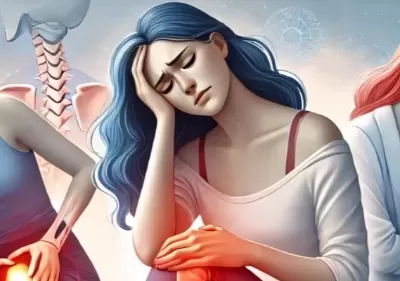
Joint Pain & Muscle Aches overview
It often starts quietly. Your knees ache after the stairs, your shoulders feel tight after a day at your desk, or the yoga class that once left you energised now leaves you sore for days. At first, it seems like normal wear and tear – a sign you’re just getting older. But then the pattern sets in: stiffness in the mornings, aching muscles after the smallest tasks, discomfort that interrupts sleep. And suddenly, you’re asking yourself: is this really just ageing, or is something else happening?
Here’s the part many women aren’t told: joint pain and muscle aches are some of the most common yet least discussed symptoms of perimenopause and menopause. They arrive at the very moment you’re trying to keep life moving – juggling work, relationships, maybe teenagers at home, maybe ageing parents – and instead of feeling grounded in your body, you feel betrayed by it. Pain has a way of seeping into more than just the body; it touches confidence, mood, and even how connected you feel to others.
But here’s the shift: once you understand why these changes occur, the confusion starts to lift. Hormones play a role, yes, but so do lifestyle choices, stress levels, and the strategies you use to support recovery. Relief isn’t found in one dramatic change, but in a blend of science-backed options, small daily habits, and professional guidance when you need it. This guide will take you through the what, why, and how – so you can reclaim strength and ease in your body, without guesswork.
So what exactly is happening in the body during menopause that makes joints and muscles ache?
Why joint pain and muscle aches during menopause deserve attention
For many women, menopause isn’t just about hot flushes or mood shifts – joint pain and muscle aches are some of the most persistent, and often unexpected, symptoms. These changes can creep in slowly: perhaps your knees feel stiff after a morning commute, or your shoulders ache more after a yoga class that used to feel effortless.
Why these symptoms matter
-
Joint and muscle discomfort can affect everyday mobility, from climbing stairs to carrying shopping bags.
-
Pain is often misattributed to ageing alone, when hormonal changes play a significant role.
-
Left unaddressed, symptoms may affect sleep, exercise routines, and overall confidence.
What patients often ask
-
"Is this the start of arthritis, or just menopause?"
-
"Why do I feel sore even when I’m active?"
-
"What can I actually do to ease this without relying on painkillers every day?"
Even mild aches can chip away at quality of life – especially when you’re used to feeling strong and capable. Recognising that these symptoms are linked to hormonal shifts is the first step in finding relief.
If joint pain or muscle aches have become part of your daily routine, this guide will help you understand why they occur and explore safe, effective solutions. You may also want to read our article on [hormonal changes and skin health] for a fuller picture of menopause’s impact on the body.
The science behind menopause, hormones, and pain
Menopause brings more than just the end of monthly cycles – it also shifts the delicate balance of hormones that protect joints, muscles, and bones. When oestrogen levels decline, tissues that once felt supple and resilient can become stiff, sore, and more prone to inflammation. Understanding this connection can make the difference between feeling confused by new aches and knowing how to respond.
How oestrogen supports joint and muscle health
-
Oestrogen helps regulate inflammation, which keeps joint swelling under control.
-
It maintains collagen in connective tissues, contributing to flexibility.
-
Lower levels can mean stiffer joints, slower muscle recovery, and a higher risk of small injuries.
Menopause or early arthritis? Knowing the difference
-
Both can cause stiffness, swelling, and pain, but arthritis often presents with persistent joint swelling, morning stiffness lasting more than an hour, or visible changes in the joints.
-
Blood tests and scans can rule out conditions like rheumatoid arthritis.
-
If symptoms feel severe or don’t ease with movement, it’s worth speaking with a GP.
The impact of muscle changes during peri-menopause
-
From the mid-30s onwards, women naturally lose muscle mass, and the process accelerates with hormonal shifts.
-
This can make everyday activities – carrying shopping bags, long walks, or even recovering after the gym – feel more taxing.
-
Regular strength training and recovery-focused exercise can help offset these changes.
The takeaway is simple: hormonal shifts affect your musculoskeletal system in ways that are both real and manageable. Once you see the link, the next step is to explore what might be making symptoms worse day to day.
Common triggers and lifestyle factors that worsen joint pain during menopause
Hormones set the stage, but lifestyle often shapes how strongly joint pain and muscle aches show up. Many women find their discomfort spikes not just from menopause itself, but from everyday habits that quietly put extra stress on the body. Spotting these triggers can make it easier to take back some control.
Why inactivity makes symptoms worse
-
Long periods at a desk or on the sofa reduce circulation, leaving joints stiff and muscles tight.
-
Small shifts – like standing every hour or stretching during tea breaks – can ease discomfort.
-
Many women notice aches building after a day of back-to-back video calls or long commutes.
The role of diet and inflammation
-
Ultra-processed foods, excess sugar, and alcohol may contribute to inflammation, making pain feel more pronounced.
-
Anti-inflammatory nutrients such as omega-3 fatty acids, calcium, and vitamin D support joint health and resilience.
-
Think of it as fuelling your body the way you would before a long hike: balanced, nourishing, and steady.
Stress, sleep, and the pain connection
-
High stress raises cortisol levels, which can amplify how strongly the body registers pain.
-
Poor sleep reduces the body’s ability to repair muscles overnight.
-
Many patients describe a cycle where night sweats interrupt rest, leading to more stiffness the next day.
Lifestyle factors won’t explain every ache, but they often act like volume controls, turning symptoms up or down. Once you know which dials to adjust, you’re better placed to consider the full spectrum of relief options available.
Treatment options: From lifestyle tweaks to medical support
Once you understand the hormonal and lifestyle factors behind menopause-related pain, the next step is knowing what you can do about it. The good news is there isn’t just one path – relief can come from small daily changes, professional support, or a mix of both.
Lifestyle and exercise strategies that make a difference
-
Weight-bearing exercises such as brisk walking, yoga, or Pilates help strengthen joints and muscles.
-
Gentle stretching or mobility routines ease stiffness and improve flexibility.
-
Even a 10-minute walk after dinner can support circulation and reduce next-morning aches.
Hormone replacement therapy (HRT) and joint pain relief
-
HRT can reduce joint and muscle pain by restoring oestrogen levels.
-
It may also support bone density, lowering the risk of osteoporosis.
-
Suitability depends on personal health history, so a GP or menopause specialist should always guide this decision.
Supplements and natural approaches worth considering
-
Omega-3, vitamin D, and magnesium have supportive evidence for joint and muscle health.
-
Turmeric and phytoestrogen-rich foods (like soy) are sometimes used, though results vary.
-
Not every supplement delivers – seek advice before investing heavily.
Physiotherapy and pain management options
-
Targeted physiotherapy can improve strength, posture, and flexibility.
-
Over-the-counter anti-inflammatories may help with flare-ups, but should not be relied on long-term.
-
Heat therapy, such as warm baths or heat packs, can provide immediate relief at home.
Treatment works best when it feels sustainable and personalised. For many women, combining lifestyle tweaks with medical support creates the strongest results.
Practical tips to ease joint pain right now
Sometimes you just want something that works today – not a six-month plan, not a theory about hormones – but quick, practical ways to feel less sore. While long-term strategies matter, these immediate adjustments can take the edge off daily aches.
Build movement into your day without overthinking it
-
Set a timer to stand and stretch every 45–60 minutes if you work at a desk.
-
Swap the lift for stairs when it’s only a few floors.
-
Small bursts of movement keep joints lubricated and muscles engaged.
Home remedies that soothe sore joints and muscles
-
Heat pads or warm baths relax tight muscles and reduce stiffness.
-
Gentle foam rolling or self-massage can ease tension after exercise.
-
Supportive footwear indoors (instead of flat slippers or barefoot) can make walking less painful.
Tiny habit shifts that add up
-
Staying hydrated helps joint tissues function smoothly.
-
Prioritise protein at meals to support muscle repair.
-
A short evening stretch routine can improve sleep and morning mobility.
These aren’t dramatic changes – they’re small, almost invisible tweaks that can lighten the load your body carries. Over time, these habits create a foundation that makes bigger interventions, like exercise plans or medical treatments, more effective.
Conclusion
Menopause-related joint pain and muscle aches can feel like an unexpected detour – a reminder that your body is changing in ways you might not have planned for. But understanding the role of hormones, recognising lifestyle triggers, and knowing that evidence-based treatments exist helps shift the experience from something you endure to something you can manage with confidence.
The key takeaway is that these symptoms are common, but not something you need to accept as inevitable. Small, consistent choices – from daily movement and nourishing foods to medical options such as HRT – can ease discomfort and restore a sense of ease in your body. Just as importantly, acknowledging the emotional weight of pain makes room for more compassion, both for yourself and in conversations with those around you.
If you are noticing new stiffness, or if aches are beginning to interrupt your routine, consider speaking with a qualified practitioner who can guide you through the most suitable options. You might also want to explore related resources on hormone health, skincare, and overall wellness to build a rounded picture of support. Aches may arrive uninvited, but with the right knowledge and care, they don’t have to define this chapter of life.
Frequently Asked Questions
Is it safe to keep exercising if my joints ache?
Is there a link between menopause and frozen shoulder?
Can footwear choices impact menopause joint pain?
Should I consider acupuncture for menopause-related joint pain?
Are flare-ups worse in colder weather?
What role does vitamin D play in joint health during menopause?
Can stress relief techniques reduce joint discomfort?
Do collagen supplements help with menopause joint pain?
How do I know if my pain is hormone-related or something else?
Can joint pain improve after menopause?
Is joint pain common during menopause?
Can weight gain during menopause increase joint pain?
Do hot flushes and joint pain have a connection?
Can hydration really help with joint stiffness?
Are certain joints more affected by menopause than others?
Can menopause cause sudden joint pain flare-ups?
Are women at a higher risk of osteoporosis and how does it impact joint pain?
Does stress affect joint pain in women?
Can these symptoms improve post-menopause?
Why do muscle aches happen during menopause?
Practitioner information
Are you a practitioner? If you'd like to link your practice to Joint Pain & Muscle Aches and become part of The Menopause Network, you can register as a verified specialist using the information on our specialist registration page.
Once verified, your profile can feature Joint Pain & Muscle Aches alongside the other symptoms and treatments you support, helping patients searching The Menopause Network find you directly.