
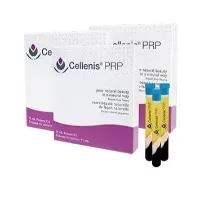
Cellenis PRP overview
If you've been researching Cellenis PRP, you've likely already encountered a mix of manufacturer claims, generic clinic pages, and pricing round-ups that rarely address the same question in the same place. That's a common problem with PRP content generally: it tends to be written either as dense technical marketing or as reassurance without substance, and it's rarely written with a menopausal audience specifically in mind, even though many women are drawn here by very real changes in their skin and hair.
Understanding what PRP actually is, and being honest about where the evidence is strong and where it's still developing, matters more than it might seem. This is a medical procedure involving a blood draw and an injection or micro-needling, not a skincare product, and decisions about it are best made with clear information rather than reassurance alone.
This page answers the questions most commonly asked about Cellenis PRP specifically: what it is, how it differs from other PRP systems, what it's used for, what a session involves, whether it hurts, how many sessions to expect, how safe it is, how it relates to HRT, who shouldn't have it, and what it costs in the UK. Where the evidence is more limited, particularly around some of the newer applications, that's stated plainly rather than glossed over.
Understanding why PRP comes up in menopause conversations at all is a useful place to start.
What is Cellenis PRP?
Cellenis PRP is a branded platelet-rich plasma system that concentrates your own platelets and growth factors from a small blood sample, then reintroduces them into the skin or scalp to support the body's natural repair processes.
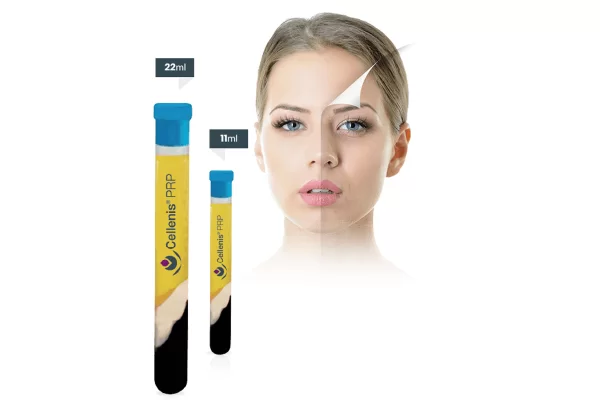
How the treatment is prepared
The process begins with a simple blood draw, similar to a standard blood test.
- The sample is placed in a centrifuge, which spins it at speed to separate its components by density.
- This separates out the platelet-rich plasma from red blood cells and other elements.
- The resulting concentrate contains a much higher density of platelets and growth factors than whole blood.
Because the treatment uses your own biological material, it's classed as autologous, meaning nothing foreign is introduced into the body.
What happens to the plasma next
Once separated, the platelet-rich plasma is applied or injected into the treatment area, commonly the face, scalp, or areas of textural skin change. The growth factors released by the platelets are intended to stimulate collagen production, support new blood vessel growth, and encourage tissue repair over the following weeks. This is sometimes described informally as a "vampire facial" when used on the skin, though that term refers to just one application of the same underlying process rather than a separate treatment.
Understanding this basic process is a useful foundation before looking at what makes Cellenis specifically different from other PRP systems.
How Is Cellenis Different From Other PRP Systems?
Not all PRP systems produce the same result, and the technology behind the separation process can meaningfully affect the quality of the plasma you end up with, which is worth understanding before comparing options.
What sets the separation process apart
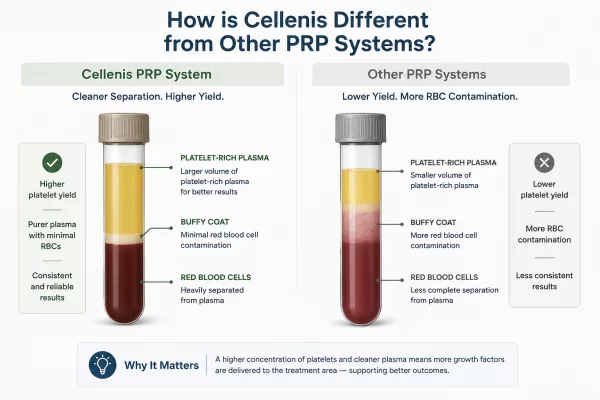
Cellenis uses a specialised density-based separator gel designed to isolate platelets more precisely than some standard PRP kits.
- The system aims for a high platelet yield, typically in the region of 90 to 95 percent, which means a larger proportion of the available platelets are captured and concentrated rather than discarded.
- It's designed to virtually eliminate red blood cells from the final PRP fraction.
- It also significantly reduces granulocytes, a type of white blood cell associated with inflammation, which some manufacturers suggest may be less beneficial for regeneration.
Why this matters in practice
The reasoning behind this approach is that a cleaner, more concentrated platelet fraction, with fewer red blood cells and pro-inflammatory components, gives the growth factors a better environment to work in once reapplied to the skin or scalp. In principle, this is intended to support more consistent collagen stimulation and tissue repair compared with less refined preparations.
It's worth being realistic here: while the technical specifications differ between PRP systems, robust, independent comparative data for specific branded systems is limited, and much of what's published comes directly from manufacturers. The broader principle that platelet concentration and purity matter is well established in PRP research.
Knowing what makes the preparation process distinct is useful, but the more practical question for most people is what actually happens during a treatment session.
What Is Cellenis PRP Used For?
Cellenis PRP is used in a small number of well-established applications, each targeting the body's natural ability to repair and regenerate tissue, with one newer, less established use also worth mentioning.
Skin quality and texture
The most common use is facial skin rejuvenation, where PRP is applied to support collagen production and improve hydration, tone and overall texture.
- It's often used for general skin quality concerns, including dullness, fine lines and uneven texture.
- It can also be used to soften the appearance of certain types of scarring, including acne scars.
- Results build gradually as collagen remodels over several weeks, rather than appearing immediately.
Scalp and hair thinning
PRP is also widely used on the scalp to support hair density in cases of early thinning.
- The growth factors are intended to stimulate blood flow and activity in hair follicles that have become dormant or are producing thinner, shorter hairs.
- It tends to be most useful for early-stage thinning rather than more advanced hair loss.
An emerging use: genitourinary symptoms of menopause
A smaller and newer body of research has also looked at PRP for symptoms such as vaginal dryness and discomfort associated with menopause, sometimes considered by women who have contraindications to hormonal treatment. A 2023 systematic review described PRP as a viable option here, with favourable outcomes reported, though it was equally clear that the evidence base remains limited and larger trials are still needed. This is a genuinely emerging application, not yet as established as the skin and scalp uses above.
Which of these applications is relevant to you will depend on your own circumstances, and that's a conversation worth having directly with a qualified practitioner.
What Happens During a Session?
Knowing what to expect from a session can make the whole process feel far less daunting, and the treatment itself is simpler and quicker than many people assume.
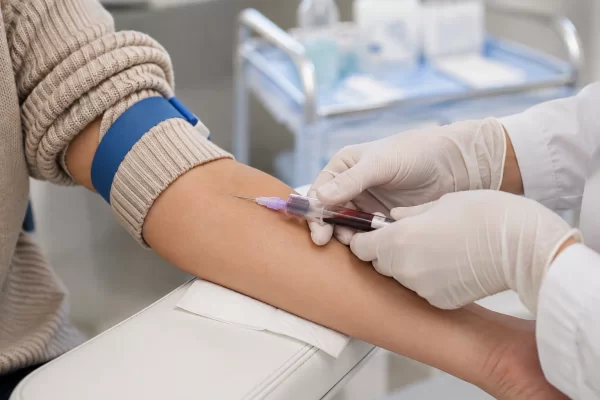
Before the treatment
A session typically begins with a consultation to confirm the treatment area and check that PRP is a suitable option for you.
- A practitioner will usually review your medical history and discuss what you're hoping to achieve.
- A small blood sample is then drawn from your arm, in much the same way as a routine blood test.
- No special preparation is usually needed beforehand, though practitioners may advise staying well hydrated.
During the procedure
Once the blood is drawn, the practical part of the process moves fairly quickly.
- The sample is placed in a centrifuge and spun to separate out the platelet-rich plasma.
- This concentrated plasma is then applied to the skin or injected into the treatment area, depending on whether it's being used on the face or scalp.
- The full appointment, including preparation and processing time, generally takes around 45 minutes to an hour.
Aftercare
Most people can return to normal activities shortly afterwards, though some practitioners advise avoiding makeup, intense exercise or sun exposure for a day or two while the treatment area settles. Mild redness or sensitivity in the hours afterwards is common and usually short-lived.
Understanding the practical steps involved is one thing, but many people's first question is simply whether it hurts, which is worth addressing directly.
Does It Hurt, and Is There Any Downtime?
This is one of the most common questions people ask before booking, and the honest answer is that PRP is generally well tolerated, though what counts as comfortable will vary from person to person.
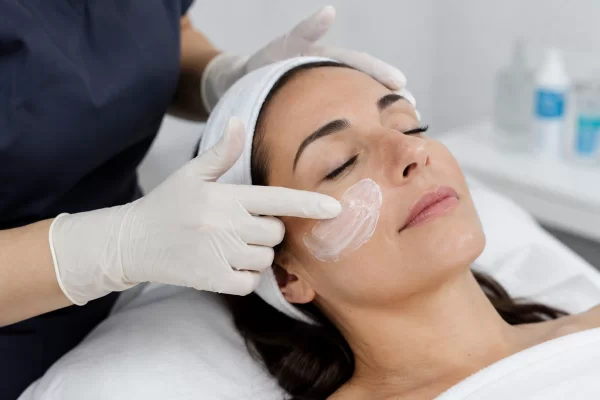
What the sensation is like
Most of the discomfort associated with PRP comes from the injections or micro-needling used to apply the plasma, rather than the treatment itself.
- A topical numbing cream is often applied to the area beforehand to reduce sensitivity.
- Many people describe the sensation as mild stinging, pressure or tightness rather than significant pain.
- Sensitivity can vary depending on the treatment area, with scalp and under-eye areas sometimes feeling more tender than other parts of the face.
What to expect afterwards
Some short-term reaction in the treated area is normal and expected as part of the body's response.
- Redness, mild swelling or tenderness is common in the first day or two, similar to a mild sunburn in appearance.
- Scalp treatments can sometimes cause more noticeable tightness or sensitivity for a day or so afterwards.
- Serious downtime is uncommon, and most people are able to return to work and normal activities the same day.
When to seek medical advice
While PRP has a strong safety profile, it's worth knowing when a reaction falls outside the expected range. Persistent swelling beyond 72 hours, fever, chills, signs of infection at the treatment site, or intense pain that doesn't respond to over-the-counter pain relief should prompt a call to the clinic or a GP.
Being prepared for what's normal and what isn't makes it easier to relax into the process and focus on the practical planning that comes next, including how many sessions to expect.
How Many Sessions Will I Need, and When Will I See Results?
PRP isn't a one-off, instant-result treatment, so it's worth setting realistic expectations before you start on timing and what a typical course looks like.
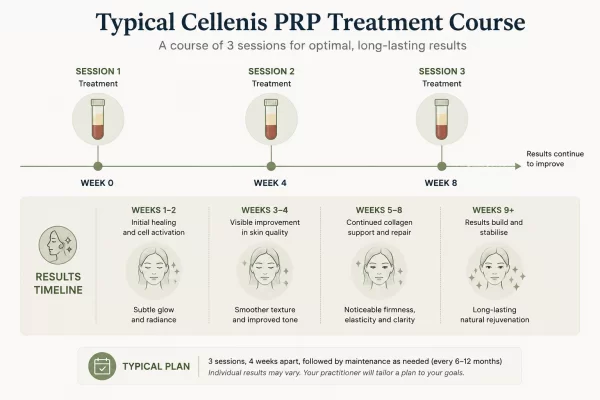
Why a course of sessions is usually recommended
A single session can produce some benefit, but most practitioners recommend a course of treatments for meaningful, lasting change.
- Three sessions is the most commonly recommended starting course, spaced roughly four to six weeks apart.
- This spacing allows the skin or scalp time to respond to each session before the next one builds on it.
- Some practitioners suggest follow-up or maintenance sessions every six to twelve months after the initial course, depending on the area treated and individual response.
How long results take to appear
Results from PRP build gradually rather than appearing immediately, because the treatment works by stimulating your body's own repair processes.
- Early changes, such as improved hydration or a subtle brightening, may be noticeable within a few weeks.
- More significant changes, including collagen remodelling in the skin or increased hair density on the scalp, typically become apparent from around six to twelve weeks onwards.
- For hair thinning specifically, visible density changes are often reported from around twelve weeks, continuing to develop with further sessions.
Setting realistic expectations
It's worth being clear that PRP is a gradual, supportive treatment rather than a dramatic transformation. Results also vary between individuals, depending on factors such as age, the severity of the concern being treated, and general health.
Once you have a realistic sense of timing, the next natural question is whether the treatment is safe for you specifically.
Is Cellenis PRP Safe?
Safety is often the first thing people want reassurance on, and PRP does have a strong overall safety profile, though it's worth understanding what that's based on.
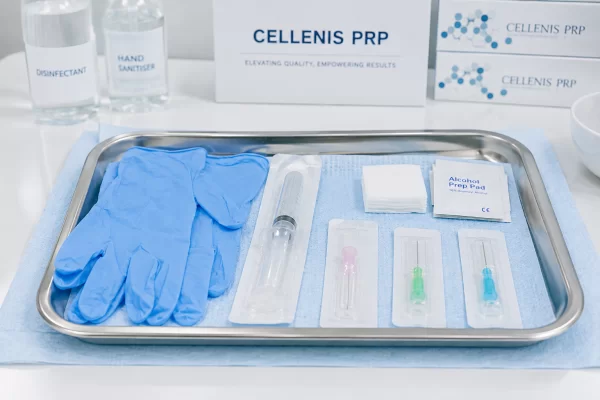
Why PRP is considered low-risk
Because Cellenis PRP is prepared entirely from your own blood, it carries a much lower risk of allergic reaction or rejection than treatments using synthetic or donor materials.
- There's no foreign substance being introduced into the body, which removes a significant category of risk associated with other injectable treatments.
- The technology is designed to remove the majority of red blood cells and reduce inflammatory components before the plasma is reapplied.
- Serious complications are rare when the treatment is carried out correctly, with most reactions limited to mild, short-term effects.
What safety actually depends on
The treatment itself has a good safety record, but outcomes are heavily influenced by how it's carried out.
- Practitioner training and experience matter significantly, both in terms of technique and correct handling of the blood sample.
- Proper sterile equipment and hygiene standards reduce the risk of infection at injection sites.
- An honest pre-treatment consultation, including a review of your medical history, helps identify anyone for whom PRP may not be appropriate.
The limits of "safe"
It's worth being clear that "safe" doesn't mean risk-free, and no medical or aesthetic treatment is entirely without risk. Mild redness, swelling or tenderness is a normal short-term response rather than a complication, but anyone experiencing symptoms beyond that, such as persistent swelling, fever or signs of infection, should seek medical advice promptly.
Safety is closely tied to who is actually performing the treatment, which is worth exploring alongside who the treatment is and isn't suitable for.
Is Cellenis PRP a Hormone Treatment, or a Substitute for HRT?
This question comes up often, particularly for anyone weighing up their options during menopause, and the distinction between PRP and hormonal treatment is an important one to understand clearly.
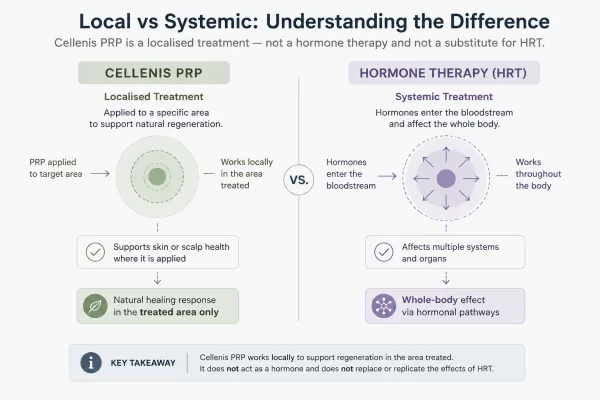
Why PRP is not a hormone treatment
Cellenis PRP does not contain hormones, and it does not work by altering hormone levels anywhere in the body.
- PRP works locally, meaning its effects are concentrated on the specific area it's applied to, such as the face or scalp.
- HRT works systemically, restoring hormone levels throughout the body and affecting far more than skin or hair alone.
- Because PRP has no hormonal action, it doesn't carry the same considerations or contraindications associated with hormone replacement therapy.
How the two relate to each other
Rather than being alternatives to choose between, PRP and HRT are often considered as addressing different things.
- HRT can help address the underlying hormonal decline that drives changes throughout the body, including skin and hair.
- PRP can support the specific area being treated, working on the structures already affected, regardless of whether HRT is also being used.
- Some practitioners assess hormone levels as part of PRP treatment planning, particularly when skin or hair concerns are part of a broader picture.
Who might particularly consider PRP?
This distinction matters most for women who are unable to take HRT for medical reasons, or who have chosen not to. For this group, PRP offers a non-hormonal option that can still support skin quality or hair density without requiring a reconsideration of that decision.
Whether PRP fits alongside HRT, replaces the need to consider it for a specific concern, or stands entirely on its own ultimately depends on individual circumstances best discussed with a qualified practitioner.
Who Shouldn't Have Cellenis PRP, and How Do I Find Someone Qualified?
PRP is suitable for a wide range of people, but it isn't automatically the right choice for everyone, and who performs the treatment matters just as much as whether you're a suitable candidate in the first place.
Who may need to avoid PRP, or seek further advice first
Certain health conditions and circumstances mean PRP may not be appropriate, or may need extra caution.
- Blood disorders, including clotting or platelet abnormalities, are generally considered a contraindication, since the treatment relies on healthy platelet function.
- Active infections, skin conditions or cancer in the treatment area typically rule out PRP until the underlying issue is resolved.
- Certain medications, including blood thinners, may affect suitability or require a pause before treatment.
- Pregnancy and breastfeeding are commonly treated as a precautionary exclusion, even though there's no specific evidence of harm, simply because the treatment hasn't been well studied in this group.
A thorough consultation should always take place before any treatment is agreed, so that these factors can be properly assessed against your individual health history.
What to look for in a practitioner
Because PRP involves a medical procedure, from blood draw through to injection or micro-needling, practitioner training and experience are central to both safety and results.
- Look for practitioners who are appropriately qualified and trained specifically in PRP administration, not just aesthetic treatments generally.
- Ask what system they use, how they were trained on it, and how long they've been offering the treatment.
- A practitioner who takes your medical history seriously and is willing to discuss whether PRP is genuinely the right option, rather than assuming it is, is generally a good sign.
Finding the right person
Choosing where to have PRP done is arguably as important a decision as choosing to have it at all. Our specialist directory lists verified menopause specialists and practitioners across the UK, making it easier to find someone with the right experience for your specific circumstances.
Getting the right person involved from the start makes every other question on this page, from safety to results, far easier to answer with confidence.
What Does Cellenis PRP Cost in the UK?
Cost is often a deciding factor when weighing up whether to go ahead with PRP, and prices vary depending on the treatment area, the clinic, and how many sessions you need.
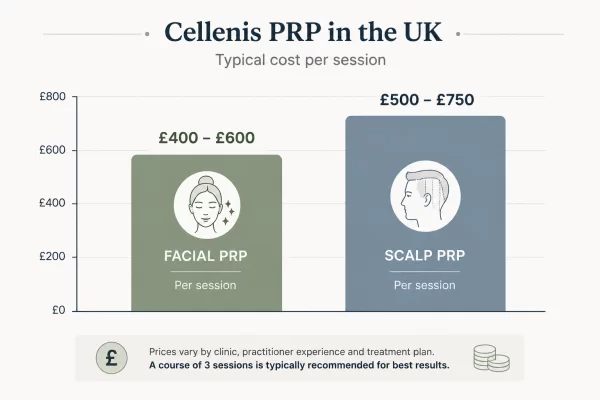
Typical UK pricing by treatment area
PRP is not available on the NHS for cosmetic or symptom-management purposes, so pricing reflects private clinic rates.
- Facial PRP treatments typically range from around 150 to 450 pounds per session.
- Scalp and hair PRP tends to cost more, usually between 200 and 600 pounds per session, reflecting the larger area and plasma volume involved.
- Prices can vary considerably between clinics depending on location, practitioner experience, and the specific PRP system used.
Budgeting for a full course
Because a single session rarely delivers the full benefit, it's more useful to budget for a complete course rather than a one-off price.
- A typical course of three facial sessions might cost between 450 and 1,350 pounds in total.
- A course of three scalp sessions might cost between 600 and 1,800 pounds in total.
- Some clinics offer package pricing for a full course, which can work out more cost-effective than paying per session.
What can affect the final price?
A few practical factors are worth asking about before booking, since headline prices don't always reflect the full picture.
- Whether the quoted price includes a consultation, or whether that's charged separately.
- Whether any top-up or maintenance sessions are included, or priced separately later.
- Whether the clinic uses the Cellenis system specifically, since pricing and protocols can vary between different PRP technologies.
Understanding the full cost of a course, rather than just the price of a single session, makes it much easier to compare clinics fairly and plan realistically.
Frequently Asked Questions
How long do the results of Cellenis PRP last?
Can Cellenis PRP be combined with other treatments?
Is there an age limit for having Cellenis PRP?
Do I need to do anything to prepare before a PRP appointment?
What's the difference between PRP and PRF?
Can PRP be used around the eyes?
Does PRP work the same way for everyone?
Can men have PRP too?
Is PRP the same as a hair transplant?
Can I have PRP alongside other menopause treatments, such as HRT patches or gels?
What qualifications should a UK practitioner performing PRP hold?
Will I need blood tests before having PRP?
Can PRP cause an allergic reaction?
Practitioner information
Are you a practitioner? If you'd like to link your practice to Cellenis PRP and become part of The Menopause Network, you can register as a verified specialist using the information on our specialist registration page.
Once verified, your profile can feature Cellenis PRP alongside the other treatments and products you offer, helping patients searching The Menopause Network find you directly.
As more women seek natural, regenerative treatments during menopause, Platelet Rich Plasma (PRP) is becoming an increasingly valuable addition to modern clinics. From skin rejuvenation and hair restoration to intimate health applications, PRP can help you expand your treatment offering and attract new patients.
If you're considering introducing PRP, our dedicated practitioner resource explains everything you need to know, including training, equipment, clinical applications and the commercial opportunities for your practice.
Find out how PRP could help grow your clinic and enhance the care you provide to menopausal women.