
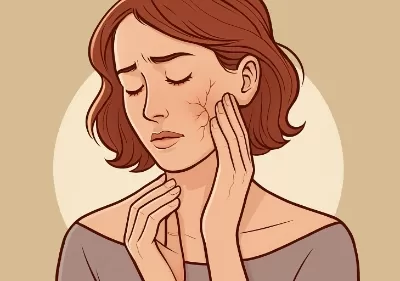
Skin Splitting or Tearing overview
One of the more unexpected shifts during menopause isn’t the hot flushes or mood swings you’ve heard about a hundred times before. It’s the sudden fragility of skin – those small, stinging tears that appear after sex, a long walk, or even just slipping into fitted trousers. The first time it happens, it’s easy to brush off. By the third or fourth, it can feel confusing and, frankly, worrying.
What makes this so frustrating is the silence surrounding it. Many women assume it’s just them. Some misdiagnose it as recurring thrush or an allergy, spending months trying creams that don’t solve the underlying problem. Others avoid intimacy altogether, worried it will happen again. Beyond the physical discomfort, the emotional toll is real – the self-consciousness, the hesitation, the feeling that your body is somehow betraying you.
But here’s the critical truth: these changes are not unusual, and they are not irreversible. Declining oestrogen alters skin structure, hydration, and elasticity, which is why tears happen more easily. Once you understand the cause, solutions become clear – from medical treatments like local oestrogen therapy to practical daily adjustments that protect and strengthen the skin. This guide will help you connect the dots, separate myth from fact, and find the right path forward for your body.
To see how menopause changes the skin beneath the surface, let’s start with what actually happens at a cellular level.
Treatments for Skin Splitting or Tearing
Why We Need to Talk About Skin Splitting in Menopause
For many women, skin splitting or tearing during menopause is one of those hidden symptoms nobody warns you about. It can feel alarming – sometimes painful – and almost always isolating. Yet it’s surprisingly common, even if it’s rarely spoken about in GP leaflets or glossy lifestyle magazines.
A quiet but real concern
-
Small, stinging cuts can appear after intimacy, exercise, or even something as ordinary as wearing fitted trousers on a hot day.
-
The decline in oestrogen during perimenopause and menopause makes skin thinner, drier, and less elastic – meaning it’s more prone to tearing.
-
Because the topic feels intimate, many women delay seeking advice, unsure if what they’re experiencing is “normal”.
Why silence makes symptoms worse
-
Without understanding the cause, it’s easy to mistake skin tears for infections or allergies.
-
Left untreated, ongoing splits can affect confidence, comfort, and relationships.
-
Talking openly helps women realise they’re not alone and that effective treatments exist.
In short, skin splitting is not just a cosmetic issue – it’s a sign of deeper changes happening within the skin and tissues during menopause. Understanding why it happens is the first step to finding relief.
What Happens to Skin During Menopause
The skin is often one of the first places to reveal the effects of menopause. What might start as a bit of dryness or an itch after a shower can progress into noticeable thinning, fine lines, or even small splits that take longer to heal. Understanding these changes can help you separate what is a regular part of the transition from what needs extra medical attention.
The role of oestrogen in skin health
-
Oestrogen helps regulate collagen, elastin, and natural hydration – the trio that keeps skin plump and resilient.
-
During the first five years after menopause, women can lose up to 30% of skin collagen. This explains why tissues suddenly feel thinner or more delicate.
-
With less oil production, the skin’s protective barrier weakens, leaving it prone to irritation and micro-tears.
Where skin splitting shows up most often
-
The vulva and vaginal opening are particularly vulnerable, as reduced oestrogen and blood flow affect both external and internal tissues.
-
Everyday areas such as fingertips and heels may also split more easily, especially in cold weather or after frequent handwashing.
-
Many women are surprised to notice tiny fissures in places that once healed overnight but now linger for days.
In essence, menopause doesn’t just change the skin you see in the mirror – it also reshapes the tissues you rarely think about until discomfort appears.
Why Skin Splits: Everyday Triggers That Make It Worse
Even when the underlying cause is hormonal, certain day-to-day habits and environments can tip fragile skin over the edge. What might feel like a minor irritation to someone else – a long bike ride, an afternoon in skinny jeans – can leave menopausal skin raw or even torn.
Physical triggers that increase the risk
-
Friction: Sexual activity, tight clothing, or high-impact exercise can all create enough rubbing to cause splits.
-
Dry environments: Central heating, swimming pool chlorine, or cold winter air can strip away the last layer of protective moisture.
-
Every day wear and tear: Repeated handwashing, gardening without gloves, or walking long distances in less-than-forgiving shoes.
The emotional and social impact
-
Confidence takes a hit: Women often avoid intimacy for fear of pain or re-injury.
-
A sense of isolation: Because it isn’t openly discussed, many assume they’re the only ones dealing with it.
-
Reluctance to seek help: Some worry a GP won’t take the concern seriously, leading to quiet suffering.
What’s important to remember is that these triggers don’t cause the condition – they magnify it. Once you know what’s aggravating the skin, you can start making minor, practical adjustments that make a big difference.
Treatment and Relief Options
The good news is that skin splitting and tearing during menopause isn’t something you have to put up with simply. A range of effective treatments – both hormonal and non-hormonal – can restore comfort, improve skin resilience, and bring confidence back into daily life.
Hormonal treatments that target the root cause
-
Vaginal oestrogen: Available as creams, tablets, or rings, this directly replenishes local hormone levels, helping tissues regain elasticity and hydration.
-
Systemic HRT: For women with broader menopausal symptoms, hormone replacement therapy can improve skin health across the body as well as intimate areas.
-
Safety considerations: Absorption from vaginal oestrogen is minimal, and NICE guidelines confirm its safety for most women. However, women with a history of breast cancer should consult their oncologist or menopause specialist before starting.
Non-hormonal options for everyday relief
-
Moisturisers vs lubricants: Moisturisers (applied regularly) help improve tissue health over time, while lubricants (used during intercourse) reduce friction and discomfort.
-
Emollients for external skin: Simple, fragrance-free creams or ointments can protect delicate vulval skin from irritation.
-
Innovations in skincare: Products formulated with hyaluronic acid or pH-balancing properties can support natural hydration.
Lifestyle support that makes a difference
-
Daily habits: Staying hydrated, wearing cotton underwear, and choosing gentle cleansers help maintain skin comfort.
-
Nutrition: Foods rich in phytoestrogens (like flaxseed or soya) and omega-3 fatty acids may provide subtle support for skin health.
-
Movement and circulation: Regular, gentle exercise promotes blood flow, which helps nourish skin tissues.
Treatment isn’t one-size-fits-all. Many women find that combining local oestrogen therapy with supportive lifestyle changes gives the best results – a balance of medical science and everyday self-care.
When to Seek Professional Help
While many cases of skin splitting can be eased with over-the-counter products or simple lifestyle adjustments, there are times when self-care alone isn’t enough. Knowing when to see a doctor ensures symptoms are appropriately investigated and treated, rather than masked.
Red flags that should not be ignored
-
Persistent pain or bleeding: Tears that don’t heal or keep reopening.
-
White patches or thickened skin: Could signal conditions like lichen sclerosus, which need specialist treatment.
-
Recurring infections or unusual discharge: Signs that something more than dryness may be at play.
-
Non-healing splits: Especially if they worsen despite moisturisers or lubricants.
What to expect from a GP or specialist visit
-
A confidential conversation: Your GP will ask about symptoms, triggers, and how long they’ve been present.
-
A physical examination: A quick check to rule out other skin or gynaecological conditions.
-
Possible tests or referrals: Swabs, blood tests, or referral to a menopause clinic, dermatologist, or gynaecologist if needed.
-
Tailored treatment: This could involve local oestrogen, prescription creams, or further investigation if another condition is suspected.
Many women delay seeking help because they worry their symptoms will be dismissed. If you feel uncomfortable, you can request a female GP or ask directly if your surgery has a menopause-trained clinician. Being proactive often leads to faster relief and better outcomes.
Moving Forward: Coping, Confidence, and Connection
Etting treatment is one part of the journey – but the emotional recovery that follows is just as important. Skin splitting during menopause doesn’t only affect comfort; it can ripple into intimacy, body confidence, and even social life. Rebuilding those areas takes patience, but it’s absolutely possible.
Emotional healing beyond the physical
-
Restoring intimacy: Open communication with partners helps remove fear and pressure around sex. Some couples explore new ways of being close that aren’t dependent on penetration until comfort returns.
-
Rebuilding self-confidence: Small acts of self-care – from investing in breathable cotton underwear to gentle skincare rituals – can remind you that your body is still yours to enjoy.
-
Support networks: Talking to other women in menopause groups often brings tremendous relief. Realising you’re not alone takes away much of the stigma.
Finding community and trusted resources
-
Professional bodies: The British Menopause Society and NHS menopause pages provide evidence-based advice.
-
Peer support: Online forums and local groups offer space to share experiences without judgment.
-
Specialist clinics: For women wanting tailored treatment, menopause clinics and women’s health centres can provide expert guidance.
Menopause may reshape the skin, but it doesn’t have to reshape your confidence or quality of life. With the proper treatment, supportive conversations, and ongoing care, many women find their comfort – and their sense of self – returns stronger than before.
Conclusion
Skin splitting and tearing during menopause may feel like one of those unspoken struggles, but understanding what drives it changes everything. At its heart, this is not just a surface-level concern but a reflection of the deeper hormonal and structural shifts happening within the skin. Once you know that, the discomfort becomes less of a mystery and more of a signal – one you can respond to with the proper care.
The key takeaways are simple: declining oestrogen makes skin thinner and drier, everyday triggers can magnify the problem, and both hormonal and non-hormonal treatments are available to restore comfort. Perhaps most importantly, help is out there. Speaking openly with a GP or specialist can rule out underlying conditions and connect you with options that genuinely improve quality of life.
If this feels familiar, your next step doesn’t have to be dramatic. You might start with minor changes to your daily routine, explore our free care checklist, or book time with a menopause-trained practitioner to discuss tailored treatments. The goal is not just relief, but confidence – knowing your body can feel comfortable and supported again.
Frequently Asked Questions
Is skin splitting in menopause permanent?
Can menopausal skin splits affect mental health?
How long does it take to see improvement with treatment?
Are younger women ever affected by skin splitting?
Is laser treatment an option for menopausal skin tearing?
Can menopausal skin splitting increase infection risk?
Should I avoid sex if skin splits are present?
Can diet improve skin resilience during menopause?
Are natural remedies effective for menopausal skin splits?
Can hormone therapy help with skin thinning in menopause?
Can skincare products trigger skin splitting?
Does exercise make menopausal skin splits worse?
Are there fabrics that make tearing worse?
Can skin splitting be linked to stress?
Does drinking more water help with menopausal skin tearing?
Can skin splitting during menopause heal on its own?
Will the skin return to normal after menopause?
Are there any natural remedies to improve skin resilience?
Practitioner information
Are you a practitioner? If you'd like to link your practice to Skin Splitting or Tearing and become part of The Menopause Network, you can register as a verified specialist using the information on our specialist registration page.
Once verified, your profile can feature Skin Splitting or Tearing alongside the other symptoms and treatments you support, helping patients searching The Menopause Network find you directly.