
High Strength Reishi Premium Mushroom Tincture Liquid Extract
A high-strength Reishi mushroom tincture marketed for sleep and calm. Here's what the evidence, ingredients and safety points actually mean for you.

Berberine Advanced from SuperBotanic is a daily capsule supplement built around GlucoVantage® dihydroberberine (DHB), an enhanced form of the plant compound berberine, paired with milk thistle seed extract. It's designed to support healthy blood sugar and insulin sensitivity, which is why many women look into it during perimenopause and menopause, when metabolism, weight and glucose regulation can shift. This page looks at what's actually in the capsule, what the evidence says, and what to consider before trying it.
Berberine Advanced is a food supplement, not a medicine. It belongs to the category of metabolic health or "glucose support" supplements, built around a compound called dihydroberberine, an active metabolite of berberine (a plant alkaloid found in several traditional herbal remedies).
The product uses GlucoVantage®, a specific branded form of dihydroberberine developed by supplement formulator Shawn Wells. According to the manufacturer, this was chosen because standard berberine is poorly absorbed by the body, and dihydroberberine is designed to get round that.
It's intended to be taken daily as part of a routine, alongside food, rather than used occasionally. It may be of interest to women who are already managing their diet and lifestyle and want additional support for blood sugar and insulin sensitivity. It is not suitable as a replacement for prescribed diabetes medication, and it isn't intended for anyone who hasn't discussed their metabolic health with a doctor first, particularly if blood sugar is already a diagnosed concern.
The manufacturer doesn't specify how long the product should be used for, whether it should be cycled (used for a period, then stopped), or what to do if a dose is missed. If you want guidance on longer-term use, it's worth asking a pharmacist or doctor, particularly since berberine's long-term safety data is limited.
Because independent, longer-term human data on dihydroberberine specifically is limited, we can't give you a reliable timeframe for when, or whether, you might notice a difference. The manufacturer doesn't publish a specific timeline either.
Some people taking berberine-type supplements report noticing changes in appetite, energy or digestion within a few weeks, while others notice very little subjectively, since blood sugar and lipid changes are often only visible through blood tests rather than how you feel day to day. Digestive side effects, if they occur, tend to be more common in the first few weeks of use.
Results are likely to vary between individuals, and this product is not going to produce the scale of change seen with prescription diabetes medication. It's reasonable to view it as one small part of a broader approach to metabolic health rather than a standalone solution.
Per capsule:
Dihydroberberine (GlucoVantage®)
This is a chemically related form of berberine. Standard berberine has known bioavailability problems, meaning much of an oral dose isn't absorbed. Manufacturer-funded research, including a small crossover study in five healthy men, found that dihydroberberine produced higher plasma berberine levels than a larger dose of standard berberine. This is a genuinely useful early signal, but it's worth being clear-eyed about its limits: the study was small, short-term, in healthy young men only (not women, and not people with existing metabolic conditions), and much of the wider promotional material about dihydroberberine (including claims about GLP-1 hormone increases or comparisons to GLP-1 medications) comes from industry and manufacturer-linked sources rather than independent, peer-reviewed clinical trials in humans. Independent reviews of berberine itself (the parent compound) suggest modest reductions in fasting blood glucose, HbA1c and cholesterol in some studies of people with metabolic syndrome or type 2 diabetes, though effects are generally smaller than licensed medicines and berberine isn't included in NICE guidance for diabetes management.
Berberine can interact with a number of medications, which is relevant for many women in this age group. It may increase the blood-sugar-lowering effect of diabetes medications (including insulin, metformin and sulphonylureas), raising the risk of hypoglycaemia if not monitored. It's also processed by liver enzymes (CYP3A4, CYP2D6) that are involved in metabolising many other drugs, including some blood pressure medications and blood thinners such as warfarin, so it has the potential to raise or lower levels of those medicines in the body. Common side effects reported with berberine include digestive symptoms such as bloating, cramping, diarrhoea or constipation, particularly when starting out.
Milk thistle seed extract (silymarin)
Milk thistle is a traditional botanical most associated with liver support. It's generally considered well tolerated, with digestive upset and, rarely, allergic reactions (particularly in people allergic to ragweed, daisies or related plants) being the main concerns. It can also affect the same liver enzymes as berberine, so its medication interactions overlap in some areas, including some cholesterol and blood pressure medicines. Milk thistle with possible estrogenic activity is generally advised against for women with hormone-sensitive conditions such as breast, uterine or ovarian cancer, or fibroids, unless a doctor has confirmed it's appropriate; seed extracts (used here) are less associated with this than other plant parts, but the caution is still worth noting. Safety in pregnancy and breastfeeding hasn't been well established for either ingredient in this product, so neither should be used during pregnancy or while breastfeeding without medical advice.
If you're taking any prescription medication, particularly for diabetes, blood pressure, cholesterol or blood clotting, or if you have a liver condition, please speak to your GP or pharmacist before starting this product. This is especially important if you are on HRT or other hormone therapy, as the interaction picture between berberine, milk thistle and HRT specifically hasn't been well studied, so caution and a conversation with a healthcare professional is the sensible approach.
Berberine Advanced has been included in The Menopause Network shop because dihydroberberine represents a genuinely interesting development in an ingredient (berberine) that already has a reasonable, if modest, independent evidence base for blood sugar and lipid support. The formulation is transparent about its dosing, uses a well-documented, patented ingredient rather than a proprietary blend that hides amounts, and the manufacturer provides a certificate of analysis for quality testing.
That said, our recommendation comes with caveats. Much of the specific evidence for dihydroberberine (as opposed to standard berberine) is early-stage, small-scale, or comes from sources connected to the ingredient's manufacturer rather than independent clinical research. We'd encourage you to view this as a supplement that may offer modest support alongside diet, movement and sleep, rather than as a proven treatment for blood sugar issues, and to have it reviewed by a healthcare professional if you take other medication.
Is Berberine Advanced suitable for use during perimenopause and menopause?
There's nothing in the ingredients that makes it specifically unsuitable for this life stage, and metabolic changes around menopause are one reason women look into blood-sugar-supporting supplements. However, it isn't formulated specifically for menopause, and its relevance depends on your individual health picture, not your age or menopause status alone.
Can I take this alongside HRT?
There's no well-established research on interactions between dihydroberberine, milk thistle and HRT specifically. Because berberine and milk thistle both affect liver enzymes that process many medications and hormones, it's sensible to check with your GP, menopause specialist or pharmacist before combining this with HRT.
Can I take this if I'm on diabetes medication?
Only with medical supervision. Berberine can increase the blood-sugar-lowering effect of diabetes medications, including insulin and metformin, which raises the risk of hypoglycaemia. Blood sugar monitoring and dose adjustment may be needed, and this should be discussed with the prescriber managing your diabetes care.
What does dihydroberberine actually do differently to regular berberine?
Small studies suggest dihydroberberine is absorbed by the body more efficiently than standard berberine, so a lower dose may achieve similar or higher levels of berberine in the bloodstream. This is a promising early finding, but the research base is still small and largely short-term.
Are there any side effects to be aware of?
The most commonly reported side effects with berberine-type ingredients are digestive: bloating, cramping, diarrhoea or constipation, especially when starting out. Milk thistle is generally well tolerated but can rarely cause allergic reactions, particularly in people sensitive to ragweed or related plants.
How does this compare to taking standard berberine on its own?
The main practical difference claimed is dose size and digestive tolerability, since dihydroberberine is designed to require a lower dose for a similar effect, potentially reducing the gut-related side effects associated with high-dose standard berberine. Independent, large-scale human comparisons are still limited.
Is this a substitute for metformin or other diabetes treatment?
No. This is a food supplement, not a licensed medicine, and it is not included in NICE guidance for diabetes management. It shouldn't replace prescribed treatment, and any changes to diabetes medication should only be made in consultation with your doctor.
Who should avoid this product?
Anyone who is pregnant or breastfeeding, has a hormone-sensitive condition such as breast, uterine or ovarian cancer, has liver disease, or takes medication for diabetes, blood pressure, cholesterol or blood clotting should speak to a healthcare professional before use.
Join The Menopause Network Review Panel to trial products like this one and share your honest experience with other members.
Apply to join the panel
A high-strength Reishi mushroom tincture marketed for sleep and calm. Here's what the evidence, ingredients and safety points actually mean for you.

Explore Wegovy® (semaglutide) weekly injection under medical supervision. Designed for adults seeking meaningful weight loss alongside healthy lifestyle change and expert support.
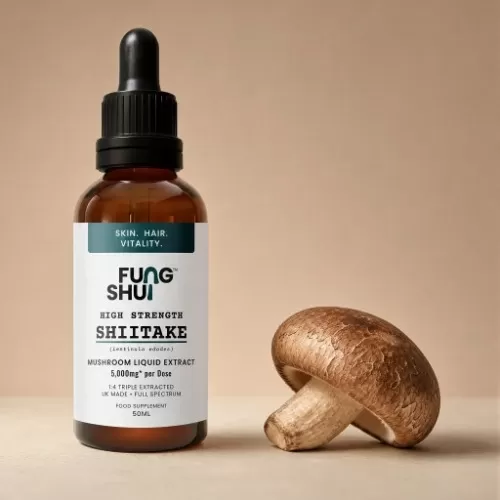
A high-strength Shiitake mushroom tincture marketed for skin, hair and vitality. What the evidence, ingredients and safety points actually mean.

A high-strength Chaga mushroom tincture marketed for immunity and cell protection. What the evidence, ingredients and safety points actually mean.