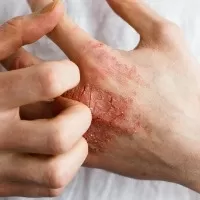
One of the more unexpected shifts during menopause isn’t the hot flushes or mood swings you’ve heard about a hundred times before. It’s the sudden fragility of skin – those small, stinging tears that appear after sex, a long walk, or even just slipping into fitted trousers. The first time it happens, it’s easy to brush off. By the third or fourth, it can feel confusing and, frankly, worrying.
What makes this so frustrating is the silence surrounding it. Many women assume it’s just them. Some misdiagnose it as recurring thrush or an allergy, spending months trying creams that don’t solve the underlying problem. Others avoid intimacy altogether, worried it will happen again. Beyond the physical discomfort, the emotional toll is real – the self-consciousness, the hesitation, the feeling that your body is somehow betraying you.
But here’s the critical truth: these changes are not unusual, and they are not irreversible. Declining oestrogen alters skin structure, hydration, and elasticity, which is why tears happen more easily. Once you understand the cause, solutions become clear – from medical treatments like local oestrogen therapy to practical daily adjustments that protect and strengthen the skin. This guide will help you connect the dots, separate myth from fact, and find the right path forward for your body.
To see how menopause changes the skin beneath the surface, let’s start with what actually happens at a cellular level.