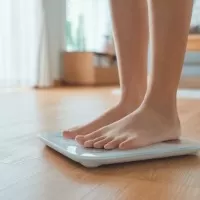
For many women, menopause sneaks up not in a dramatic way, but in a series of subtle changes. A favourite pair of trousers that suddenly feels snug. A morning routine that once kept your energy steady is now leaving you flat by lunchtime. And the quiet, unsettling question: “Am I doing something wrong, or is my body just changing without me?”
The frustration runs deeper than numbers on a scale. Weight gain during menopause can affect confidence, comfort, and even social habits. Nights out feel less enjoyable when you’re preoccupied with how your clothes sit. Even everyday routines – the walk to the station, the spin class you used to breeze through – may feel heavier, slower, different. And then there’s the noise: conflicting advice online, myths passed around by friends, and quick fixes that never quite deliver. It’s no wonder so many women feel caught between confusion and resignation.
Here’s the truth: menopause weight gain is typical, but it is not inevitable. Your body is responding to hormonal shifts, metabolic changes, and lifestyle pressures that intersect in midlife. When you understand the science, the picture becomes clearer – and when you learn how to adjust your nutrition, movement, sleep, and stress habits, the story changes completely. It’s about working with your body’s new rhythm rather than fighting against it.
So why does weight gain during menopause feel so different – and what’s really happening beneath the surface?